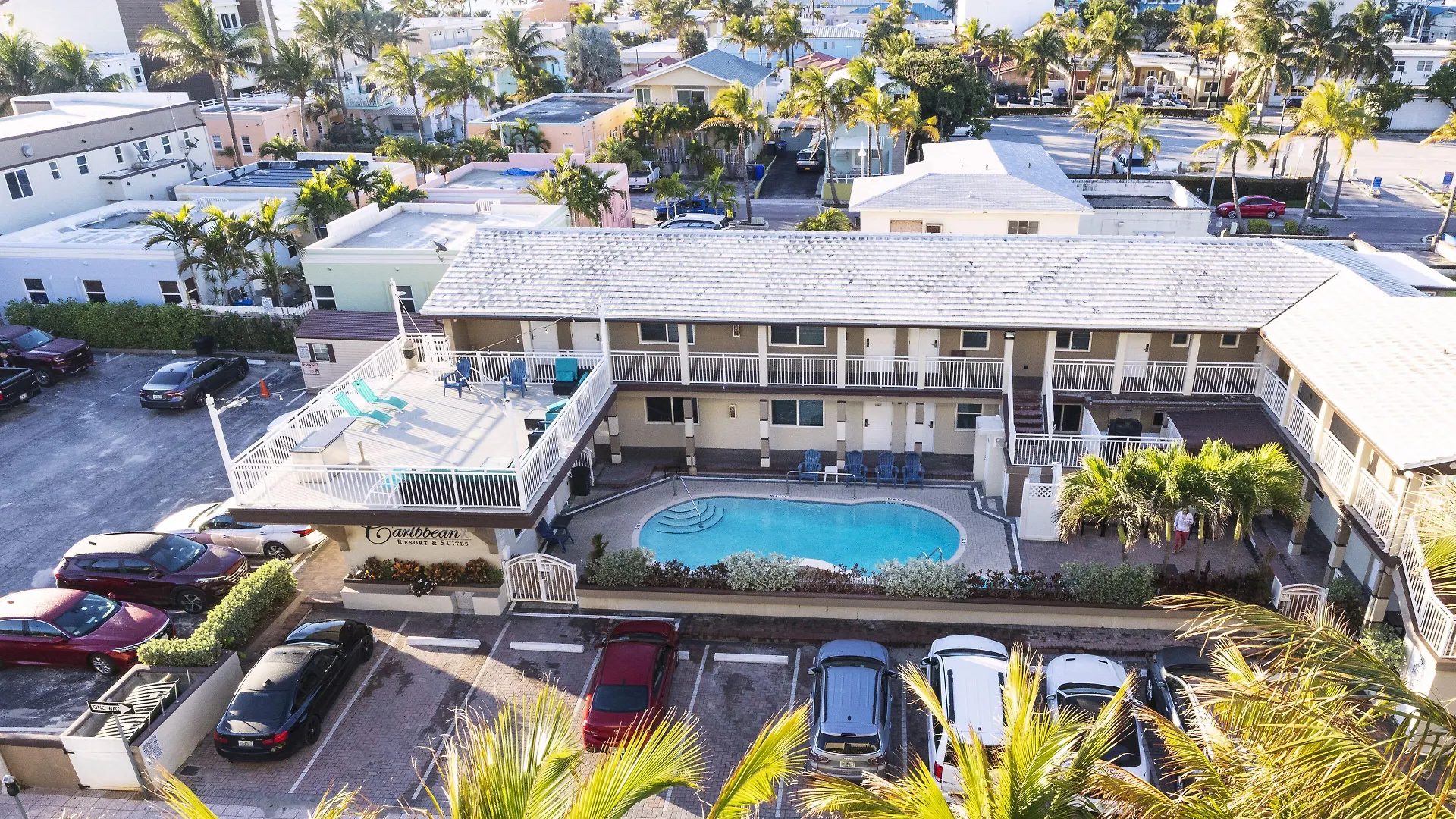
The Miami Metropolitan Area stretches from the art-deco blocks of Miami Beach north through Hollywood, Pompano Beach, and Fort Lauderdale - a coastline of over 50 miles where beach hotel options shift dramatically in price, atmosphere, and crowd density depending on how far you stray from South Beach. Whether you're after a luxury beachfront resort in Sunny Isles or a laid-back surf-town vibe in Lauderdale-by-the-Sea, knowing which stretch of coast fits your travel style is the real decision here.
What It's Like Staying in Miami Metropolitan Area
The Miami Metro coast is one of the most logistically complex beach destinations in the US - traffic on A1A and I-95 can add significant time between neighborhoods, so your hotel's exact location matters more than the city name on the booking page. North of Miami Beach, areas like Sunny Isles, Hollywood, and Pompano Beach offer genuine beachfront access with far fewer crowds than South Beach, while Fort Lauderdale functions almost as a separate beach city with its own dining, marina culture, and tourism rhythm. Travelers using public transit will find Tri-Rail and local bus connections serviceable but slow - most visitors ultimately rent a car or rely on rideshare to move efficiently across the metro.
Pros:
- Over 50 miles of accessible Atlantic coastline spread across distinct neighborhoods, making it easier to find a beach that matches your preferred crowd level
- Strong year-round sunshine with around 248 sunny days annually, making any month viable for a beach stay
- Wide spread of hotel price points from budget motels near Coral Gables to full-service oceanfront resorts in Sunny Isles
Cons:
- Traffic between neighborhoods on I-95 and A1A is consistently heavy, especially on weekends and during Spring Break (March-April)
- South Beach and Miami Beach proper carry a significant noise and nightlife footprint that makes them unsuitable for light sleepers or families seeking quiet
- Hurricane season (June-November) brings real weather risk and occasional last-minute booking disruptions
Why Choose Beach Hotels in Miami Metropolitan Area
Beach hotels across the Miami Metro aren't a monolithic category - a beachfront property in Pompano Beach operates very differently from one in Sunny Isles or Fort Lauderdale. Direct beach access is the primary differentiator that justifies the price premium, as inland hotels even a few blocks from the water rarely provide the same convenience or atmosphere. Properties in this category typically include private beach areas, outdoor pools, and on-site dining, reducing the need for guests to leave the property, which is a genuine advantage in a metro where driving or ridesharing between points adds up quickly.
Budget beach hotels in the metro can be found from around $100 per night in off-peak season, while luxury oceanfront resorts in Sunny Isles or Fort Lauderdale regularly exceed $300 per night in winter. Room sizes vary considerably - suite-style apartments with full kitchens appear at mid-range properties and offer strong value for families or longer stays.
Pros:
- Direct Atlantic Ocean access eliminates the need for beach transport logistics or paid beach club entry fees
- Many beach hotels in the metro include full kitchens or kitchenettes, reducing meal costs significantly for stays of 3 or more nights
- On-site amenities like spas, water sports, and multiple restaurants mean less reliance on a car for daily activities
Cons:
- True beachfront rooms carry a noticeable premium over garden or pool-view rooms in the same property - verify the view category before booking
- Peak season (December-April) sees rates spike and availability narrow sharply, with last-minute bookings often returning only limited options
- Properties on busy stretches like Collins Avenue in Sunny Isles or Fort Lauderdale Beach Boulevard can suffer from street and pool noise
Practical Booking & Area Strategy
The most strategic beach hotel locations in the Miami Metro are split into three practical clusters: Sunny Isles Beach (luxury, quieter, 30 minutes from Downtown Miami), Hollywood and Dania Beach (mid-range, halfway between Miami and Fort Lauderdale airports), and Fort Lauderdale's beachfront corridor including Lauderdale-by-the-Sea (most walkable, strongest dining scene north of Miami Beach). Travelers flying into Fort Lauderdale-Hollywood International Airport will find Hollywood and Pompano Beach the most transfer-efficient options, typically within 15 minutes of landing. Fort Lauderdale Beach is walkable for groceries, bars, and restaurants on Las Olas Boulevard - making it genuinely car-optional for guests who don't plan day trips. Book at least 8 weeks ahead for any December through April travel, as beachfront inventory in this corridor depletes fast and last-minute prices often reflect that scarcity.
Best Value Beach Stays
These properties offer solid beachfront positioning or immediate ocean access at more accessible price points, with practical amenities suited for families and longer stays across the Miami Metro's mid-coast corridor.
-
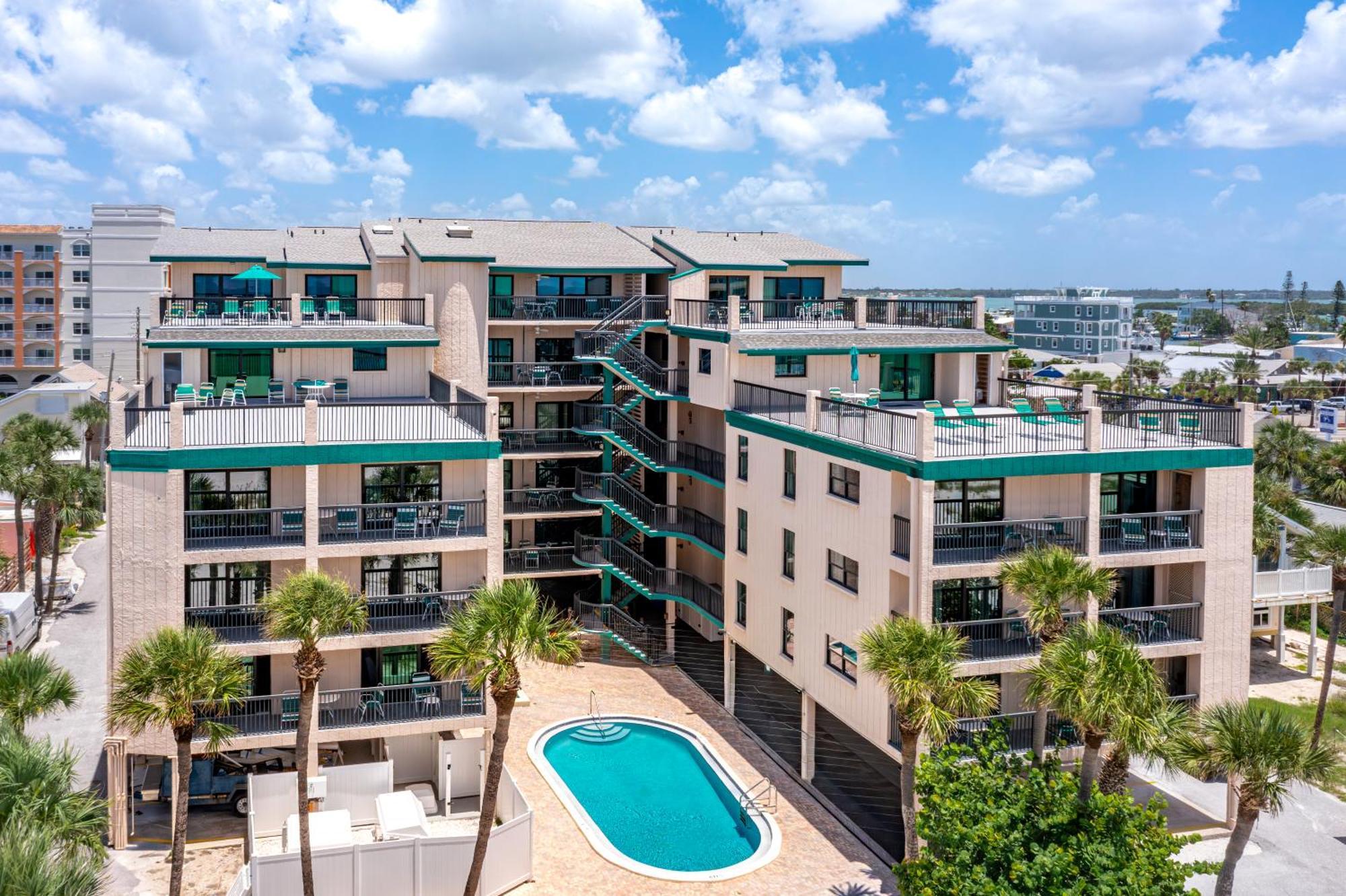
1. Caribbean Resort Suites
Show on map


 Check-infrom 16:00 until 23:59Check-outuntil 11:00
Just a few rooms left at the best rate!
fromUS$ 152
-
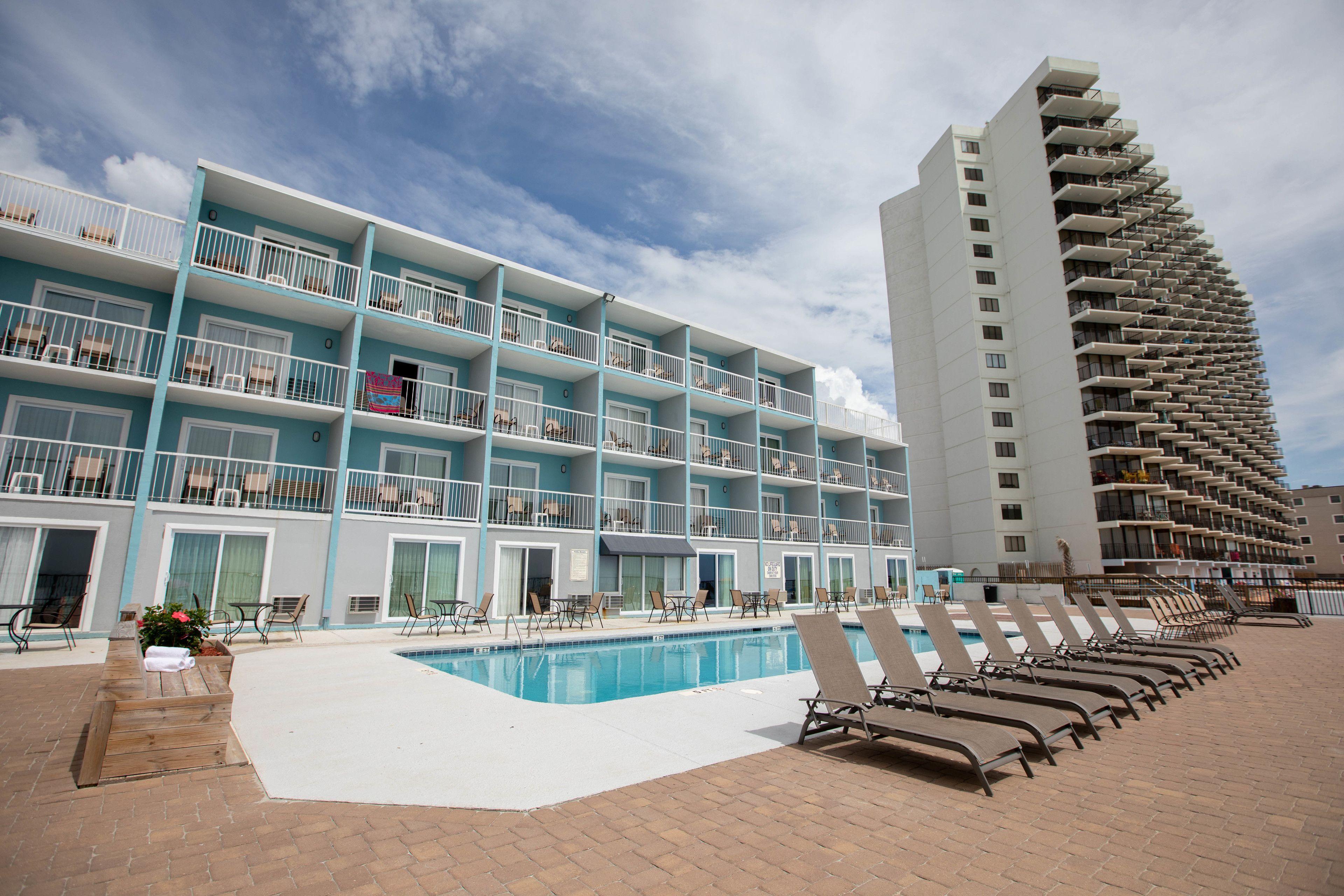
2. Ebb Tide Resort
Show on map


 Check-infrom 15:00 until 20:00Check-outfrom 06:00 until 10:00
Just a few rooms left at the best rate!
fromUS$ 206
-
3. Rodeway Inn South Miami - Coral Gables
Show on map


 Check-infrom 15:00 until 23:59Check-outuntil 11:00
Hurry – almost gone at this price!
fromUS$ 54
Best Premium Beach Stays
These beachfront properties offer full resort experiences - spanning luxury spa access, multiple dining venues, and direct Atlantic Ocean positioning - across Sunny Isles Beach, Fort Lauderdale, and Lauderdale-by-the-Sea.
-
4. Trump International Beach Resort - Sunny Isles Beach
Show on map


 Check-infrom 16:00 until 23:59Check-outuntil 11:00
Hurry – almost gone at this price!
fromUS$ 199
-
5. The Atlantic Hotel & Spa
Show on map


 Check-infrom 16:00 until 23:59Check-outuntil 11:00
Rooms filling fast – secure the best rate!
fromUS$ 120
-
6. Plunge Beach Resort
Show on map


 Check-infrom 16:00 until 23:59Check-outuntil 11:00
Rooms filling fast – secure the best rate!
fromUS$ 99
Smart Travel & Timing Advice for Miami Metro Beach Stays
The Miami Metropolitan Area operates on a very defined seasonal curve: December through April is peak season, when snowbirds, international tourists, and Spring Break crowds compress availability and push rates up sharply across all beachfront properties. Travelers with flexibility should target May or November - shoulder months that still offer warm temperatures above 75°F on average, but with noticeably thinner crowds and lower nightly rates at most properties. Summer (June-August) brings heat, humidity, and hurricane risk, but also the lowest prices of the year; properties in Pompano Beach and Lauderdale-by-the-Sea tend to discount most aggressively in this window. A stay of around 4 nights is the practical minimum to justify beachfront resort pricing - shorter stays rarely allow enough time to use on-site amenities like spas, water sports, or multiple dining venues meaningfully. Book at least 8 weeks ahead for any travel between Christmas and Easter; last-minute availability in peak season is limited and disproportionately expensive, particularly for suite-category or oceanfront rooms.