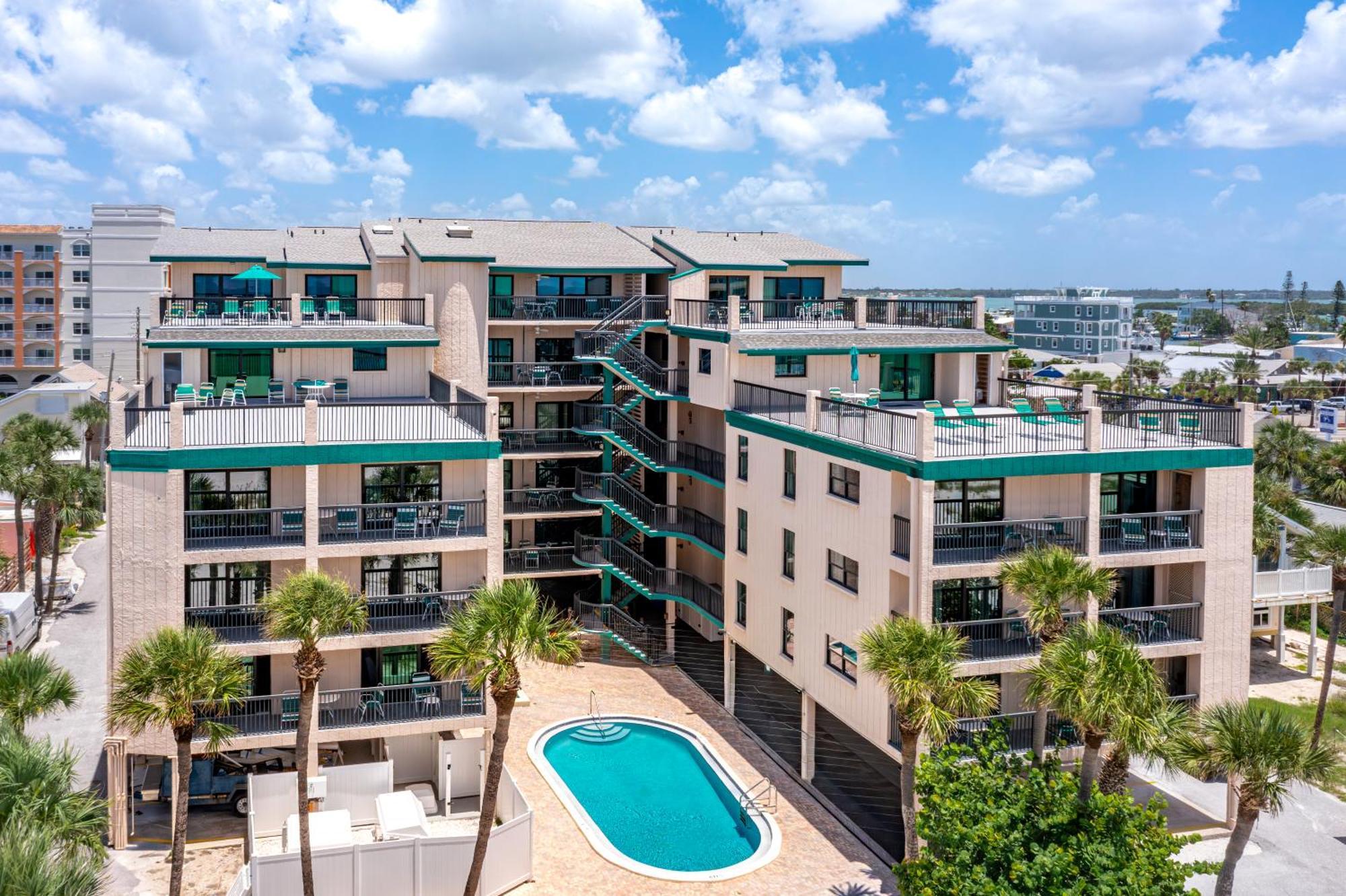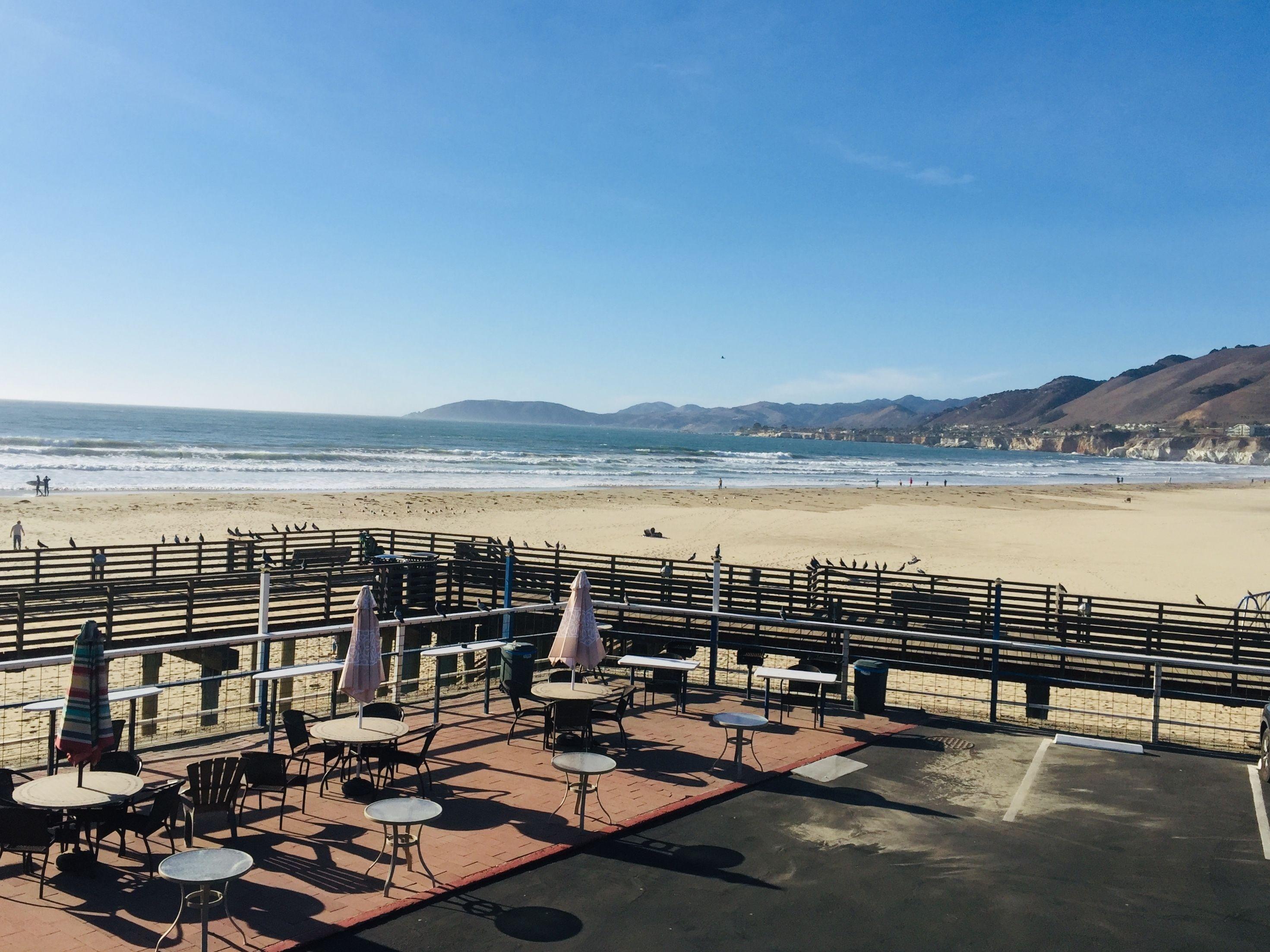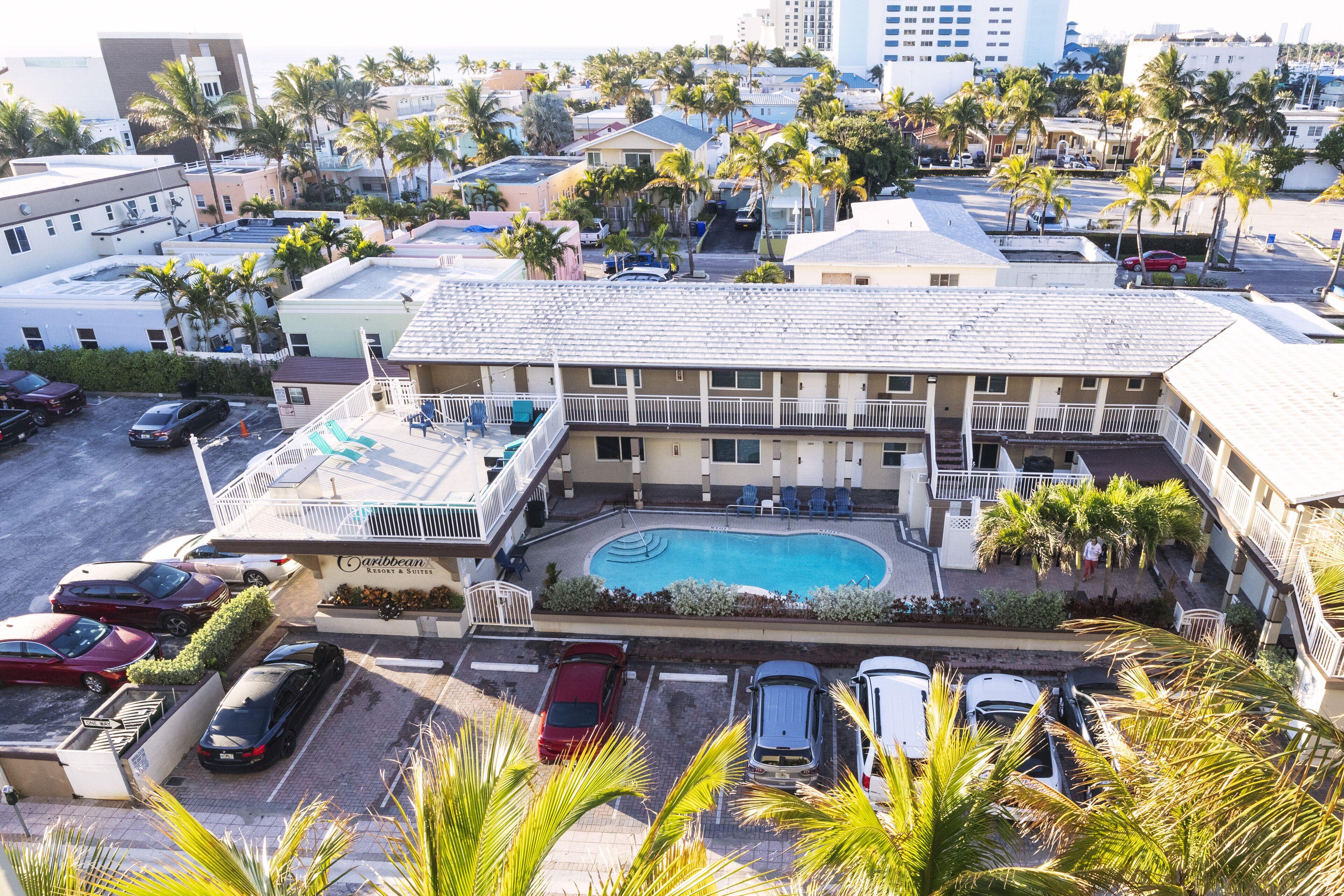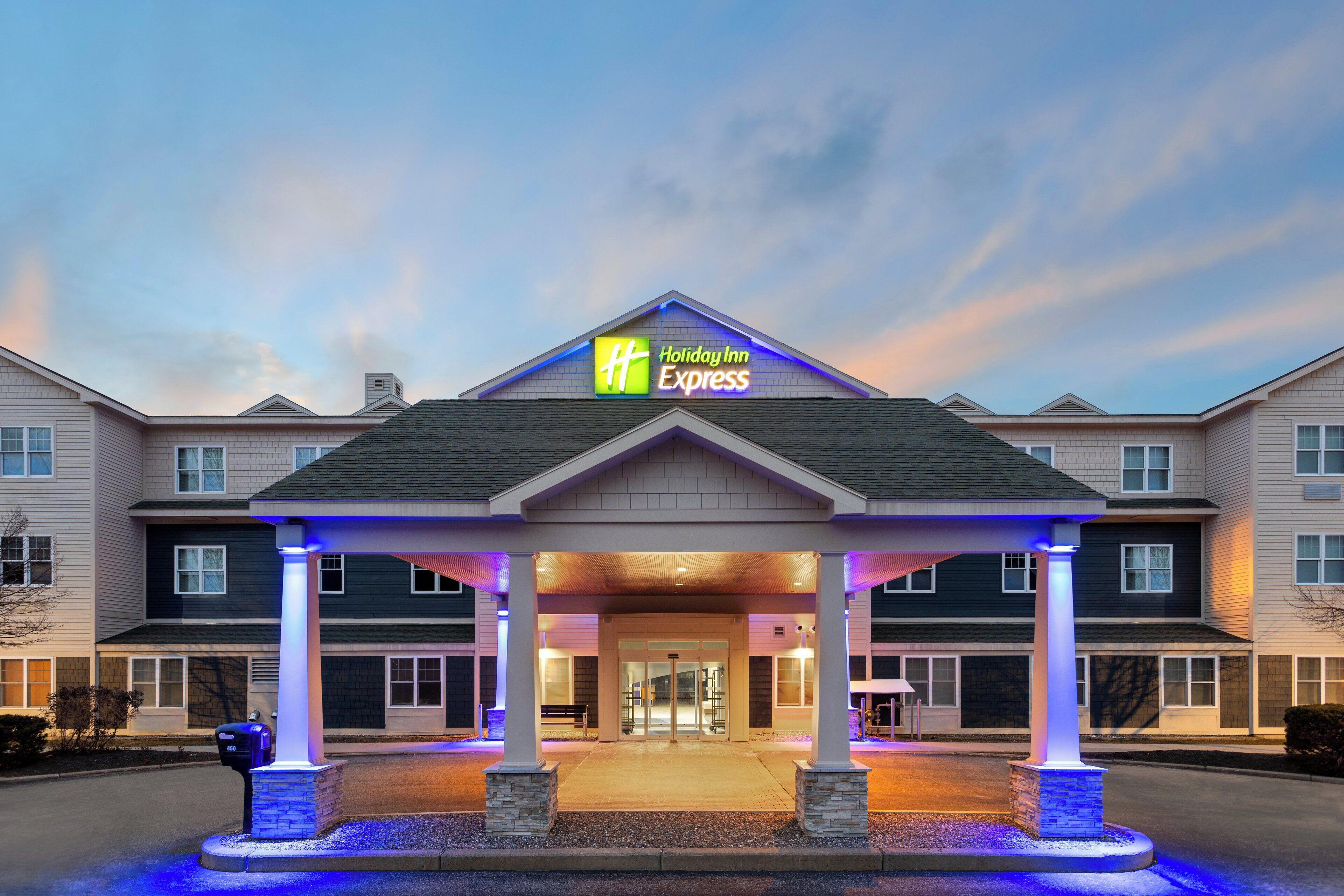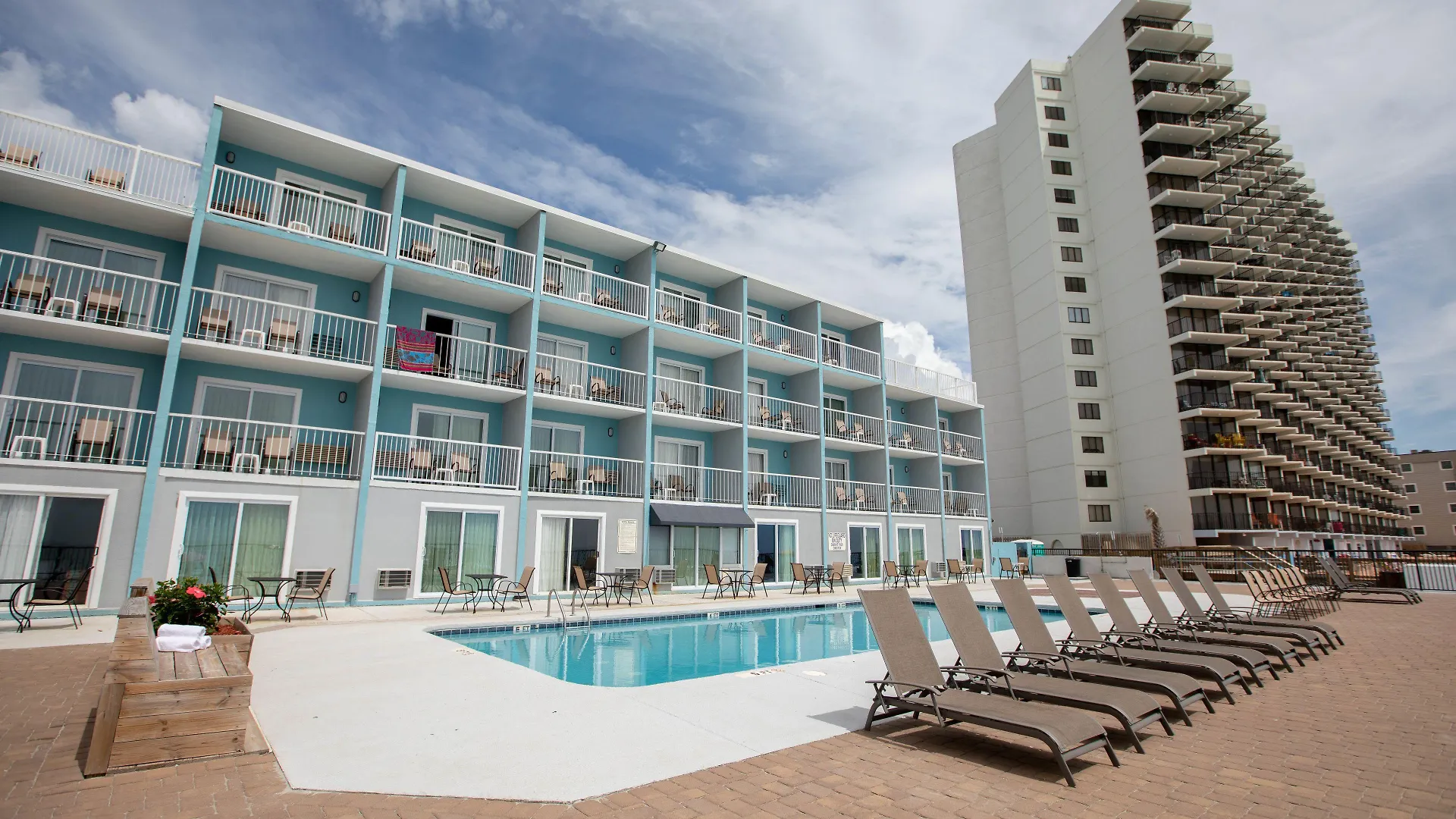
South Carolina's coastline stretches across barrier islands, Grand Strand beaches, and historic waterfronts - each with a distinct character that shapes how you experience your stay. From the wide Atlantic-facing shores of Myrtle Beach to the quieter barrier islands around Kiawah and Beaufort, beach hotels here vary dramatically in setting, price, and who they suit best. This guide covers 7 carefully selected beach hotels across South Carolina to help you book with confidence.
What It's Like Staying in South Carolina
South Carolina draws travelers with an unusually wide range of coastal environments - busy resort towns like Myrtle Beach, secluded barrier islands like Kiawah, and historic small cities like Beaufort that sit at the water's edge. Getting around requires a car in most areas, as public transit is minimal outside of downtown Charleston. Summer crowds peak heavily in July, particularly along the Grand Strand, where Ocean Boulevard can feel overwhelmed with families and day-trippers.
The state rewards those who stay longer than a weekend - around 4 nights is enough to explore both beach access and the inland culture. Beach towns in South Carolina generally offer a relaxed, unhurried pace compared to Florida's more commercialized coastlines.
Pros:
- Diverse coastal options from resort towns to remote barrier islands
- Relatively affordable beach access compared to Northeast or Florida equivalents
- Strong cultural and culinary identity, especially in Charleston and Beaufort
Cons:
- A car is essential - most beach areas have no meaningful public transport
- Summer humidity and heat (often above 90°F) can make outdoor activity exhausting midday
- Hurricane season from June through November adds booking risk for coastal properties
Why Choose Beach Hotels in South Carolina
Beach hotels in South Carolina sit across a wide spectrum - from basic oceanfront motels in Myrtle Beach to 5-star boutique inns steps from the water in Beaufort and full-suite resort properties on Kiawah Island. Oceanfront rooms typically command a premium of around 30% over comparable non-view rooms in the same property, but that difference buys direct beach access and a balcony experience that defines the stay. Room sizes tend to be more generous than urban hotels, with many properties offering kitchenette-equipped studios or multi-bedroom suites suited to families or longer trips.
The trade-off in the busiest zones, particularly North Myrtle Beach and Garden City, is noise - summer weekends bring live music, foot traffic, and pier activity that continues late into the evening. Quieter barrier island options like Kiawah deliver seclusion but less walkability to restaurants and nightlife.
Pros:
- Direct beach or waterfront access reduces daily transport friction significantly
- Many beach properties include free parking, which is a genuine cost-saver in resort zones
- Kitchenette and suite options make beach hotels practical for families staying multiple nights
Cons:
- Peak-season rates in July and August can spike sharply, especially for oceanfront rooms
- Properties near active piers or entertainment strips face consistent noise until late night
- Some beachfront hotels have limited dining options on-site, requiring a car for meals
Practical Booking & Area Strategy
South Carolina's beach destinations cluster into three distinct zones that suit different traveler profiles. Myrtle Beach and Garden City along the Grand Strand offer the highest density of hotels, restaurants, and attractions - including Huntington Beach State Park, Alabama Theater, and Tupelo Bay Golf Club - making them the most practical base if you want activity variety without driving far. Kiawah Island and the Charleston metro area (including Mount Pleasant) provide access to Fort Sumter, the South Carolina Aquarium, and Bohicket Marina, but distances between points of interest require a car. Beaufort sits apart from both - it's a quieter, historic waterfront town best suited to travelers who want colonial architecture, water tours, and independent restaurants over beach resorts.
For the Grand Strand, book at least 8 weeks ahead for July and August stays, as oceanfront rooms sell out quickly and prices increase sharply after Memorial Day. Kiawah and Beaufort have more availability but are not immune to peak-season pressure. Florence, located inland, serves primarily as a transit stop and is best suited to one-night stays when driving through the state rather than as a beach base.
Best Value Beach & Coastal Stays
These properties offer strong price-to-experience ratios with solid beach access or coastal proximity, making them practical picks for budget-conscious travelers and families who want direct water access without paying premium resort prices.
-
1. Garden City Inn
Show on map


 Check-infrom 16:00 until 18:30Check-outfrom 10:00 until 11:00
Just a few rooms left at the best rate!
fromUS$ 89
-
2. Ocean Towers Resort
Show on map


 Check-infrom 16:00 until 17:00Check-outfrom 08:00 until 10:00
Just a few rooms left at the best rate!
fromUS$ 176
-
3. Motel 6-Florence, Sc
Show on map


 Check-infrom 15:00 until 23:59Check-outuntil 11:00
Just a few rooms left at the best rate!
fromUS$ 55
Best Premium Beach & Coastal Stays
These properties deliver elevated experiences through location quality, included amenities, or distinctive character - suited to travelers willing to pay more for a stay that justifies the investment.
-
4. Andell Inn
Show on map


 Check-infrom 16:00 until 23:59Check-outuntil 11:00
Hurry – almost gone at this price!
fromUS$ 224
-
5. Cambria Hotel Mount Pleasant - Charleston
Show on map


 Check-infrom 15:00 until 23:59Check-outuntil 11:00
Hurry – almost gone at this price!
fromUS$ 129
-
6. Courtyard Florence South Carolina
Show on map


 Check-infrom 16:00 until 23:59Check-outuntil 11:00
Rooms filling fast – secure the best rate!
fromUS$ 127
-
7. The Beaufort Inn
Show on map


 Check-infrom 15:00 until 22:00Check-outuntil 11:00
Rooms filling fast – secure the best rate!
fromUS$ 140
Smart Travel & Timing Advice for South Carolina Beach Hotels
The optimal window for booking South Carolina beach hotels is late April through early June - temperatures are warm enough for swimming, crowds are manageable, and rates sit noticeably below summer peaks. July is the most expensive and crowded month across all coastal zones, particularly in Myrtle Beach, where oceanfront rooms can sell out months in advance. September offers a compelling alternative: water temperatures remain warm from summer heat buildup, hurricane risk eases after mid-month, and hotel rates drop by around 25% compared to July peaks.
For Kiawah Island and Beaufort, the shoulder seasons of March-April and October-November are consistently underrated - mild weather, thin crowds, and strong availability make these months ideal for travelers who prioritize the coastal environment over beach swimming. Book at least 10 weeks ahead for any oceanfront room during Memorial Day weekend, Fourth of July, or Labor Day, regardless of which coastal zone you target. Travelers with flexible dates who avoid school holidays will consistently find better rates and a noticeably calmer experience across all South Carolina beach destinations.