Charleston's Historic District is one of the most walkable and architecturally dense urban cores on the East Coast, where cobblestone streets, antebellum mansions, and working restaurants sit within a few blocks of each other. Choosing a 3-star hotel here means positioning yourself at the center of it all without paying the premium rates that boutique luxury properties command in this ZIP code. This guide breaks down four concrete options - their micro-locations, real trade-offs, and what each one actually delivers for the money.
What It's Like Staying in Charleston's Historic District
The Historic District is genuinely walkable - the Charleston City Market, Rainbow Row, and Waterfront Park are all reachable on foot from most hotels in the area. Most visitors never need a car during their stay, since the DASH trolley runs through the district and connects key points along Meeting Street, King Street, and Calhoun Street at no cost. Crowds peak heavily on weekends and during spring festival season, which means sidewalks around Market Street can feel congested - but evenings tend to quiet down compared to larger urban cores, making the district's nighttime atmosphere genuinely pleasant to walk.
Travelers who want maximum access to Charleston's restaurant scene along King Street and the antebellum architecture corridor benefit most from basing themselves here. Those prioritizing budget over location, or who plan to drive frequently, may find that properties further from the peninsula offer more space for less money.
Pros:
- The Charleston City Market, Rainbow Row, and Waterfront Park are all within walking distance of most properties
- The free DASH trolley covers the core of the district, reducing the need for taxis or rideshares
- Evening atmosphere is calmer than comparable historic districts in larger U.S. cities, making walking safe and comfortable after dark
Cons:
- Weekend foot traffic around Market Street and King Street can be dense, especially during spring and fall festival season
- Street parking is scarce and metered throughout the district, making a car more of a liability than an asset
- Room sizes in historic buildings are often smaller than equivalent-priced hotels in suburban Charleston, with around 30% less square footage on average
Why Choose a 3-Star Hotel in Charleston's Historic District
Three-star hotels in the Historic District occupy a practical middle ground: they sit close enough to the key landmarks to eliminate daily transport costs, but they don't carry the $350-$500 nightly rates of the area's boutique luxury properties. Rates at 3-star properties here typically run around 40% lower than comparable boutique options on the same blocks, which is a meaningful difference for multi-night stays. Trade-offs include smaller room footprints and fewer bespoke services - don't expect turndown service or a spa - but essentials like outdoor pools, free WiFi, fitness access, and breakfast are standard across most of the category here.
The key practical differentiator for this category in the Historic District specifically is brand infrastructure: Marriott and Hilton flagged properties provide loyalty points, consistent room standards, and easier modification policies, which independent boutique hotels in the area often don't match. For travelers who value logistical reliability over character, 3-star chain properties here outperform their price point.
Pros:
- Rates are meaningfully lower than boutique luxury options in the same blocks, while maintaining walkable access to the same landmarks
- Brand-flagged properties offer loyalty program benefits and flexible cancellation policies not always available at independent inns
- Core amenities - outdoor pool, breakfast, fitness center, free WiFi - are consistently available across this category in the district
Cons:
- Room sizes are often compact by U.S. hotel standards, particularly in buildings that have been converted from historic structures
- Foot traffic noise from Meeting Street and Market Street is a real factor on lower floors and street-facing rooms
- Parking, where available, typically comes at an additional nightly cost rather than being included in the room rate
Practical Booking & Area Strategy for the Historic District
The most strategically positioned blocks in the Historic District for hotel access are along Meeting Street between Calhoun Street and Market Street - this corridor puts guests within a 5-minute walk of the Charleston City Market, the Dock Street Theatre, and the southern end of King Street's dining strip. Waterfront Park and the South Carolina Aquarium are reachable on foot in under 15 minutes from most properties on this stretch. The Powder Magazine, one of Charleston's oldest surviving public buildings, sits just north of Calhoun Street and is accessible without transport. For travelers arriving by air, Charleston International Airport is around 18 km from the district - budget around 30 minutes by rideshare during off-peak hours. Book at least 6 weeks in advance for spring stays (March through May), when the Cooper River Bridge Run, Spoleto Festival, and general tourism overlap to compress availability significantly. Fall weekends in October fill hotels in the district faster than almost any other period, driven by ideal temperatures and steady event programming. If flexibility is possible, weekday arrivals in January or February offer the lowest rates of the year with minimal crowd pressure.
Best Value Stays
These properties deliver strong location advantages and reliable amenities at the more accessible end of the Historic District's 3-star pricing spectrum.
-
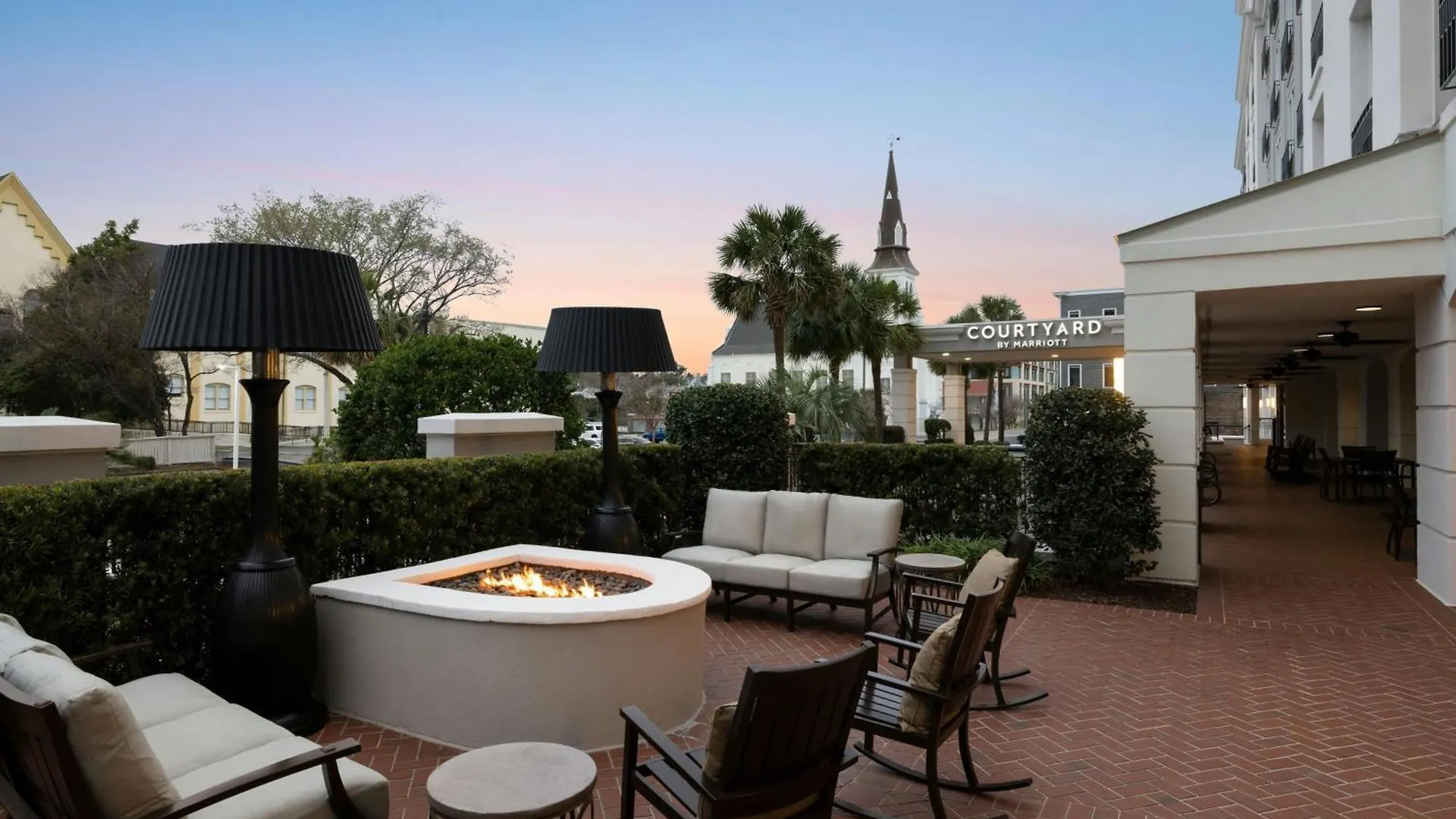
1. Courtyard By Marriott Charleston Historic District
Show on map


 Check-infrom 16:00 until 23:59Check-outuntil 11:00
Just a few rooms left at the best rate!
fromUS$ 335
-
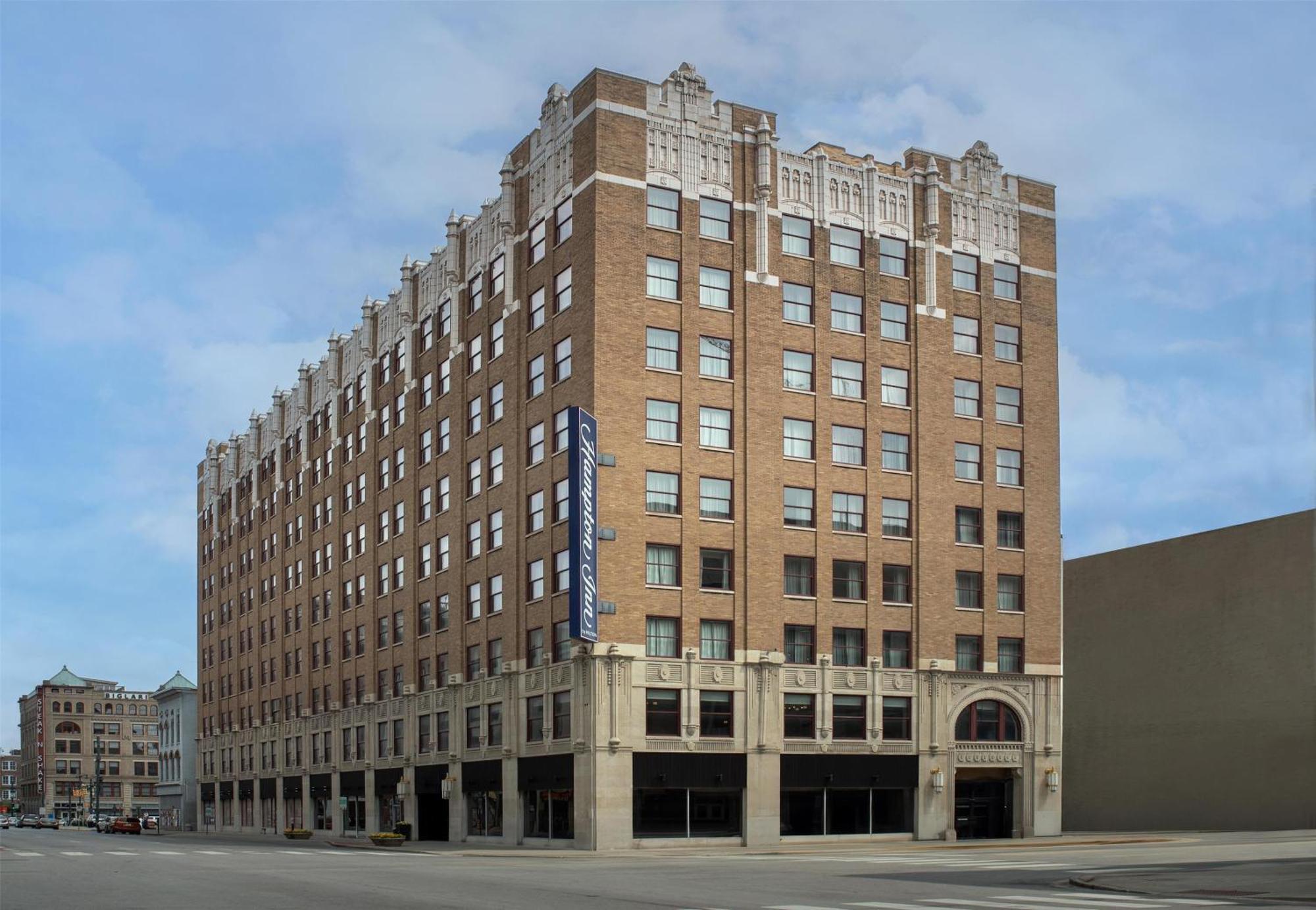
2. Homewood Suites By Hilton Charleston Historic District
Show on map


 Check-infrom 16:00 until 23:59Check-outuntil 11:00
Just a few rooms left at the best rate!
fromUS$ 269
Best Premium Picks
These properties command slightly higher positioning in the district through stronger landmark proximity, distinctive room features, or bundled value that reduces total trip cost.
-
3. The Ryder Hotel
Show on map


 Check-infrom 16:00 until 23:59Check-outuntil 11:00
Hurry – almost gone at this price!
fromUS$ 206
-
4. Meeting Street Inn
Show on map


 Check-infrom 16:00 until 23:59Check-outfrom 05:00 until 12:00
Rooms filling fast – secure the best rate!
fromUS$ 199
Smart Travel & Timing Advice for the Historic District
Spring - specifically March through May - is the most expensive and highest-demand window for hotels in Charleston's Historic District, driven by the Spoleto USA Festival, the Cooper River Bridge Run, and the general surge in East Coast visitors escaping colder climates. Rates during peak spring weekends can run around 50% above what the same rooms cost in January. Fall offers the best balance of favorable weather and manageable pricing, with October being particularly popular - book at least 6 weeks out for any fall weekend stay. January and February are the quietest months, when crowds thin significantly, cancellation rates rise, and last-minute deals on 3-star properties in the district become genuinely viable. For most itineraries, 3 nights is the practical minimum to cover the Historic District's main sites without feeling rushed - 4 nights allows for a day trip to nearby Folly Beach or Fort Sumter without sacrificing time in the district itself. If your dates are fixed in a peak period, prioritize booking directly through brand loyalty programs for Marriott and Hilton properties, which often hold back a small inventory with better cancellation terms than third-party platforms.