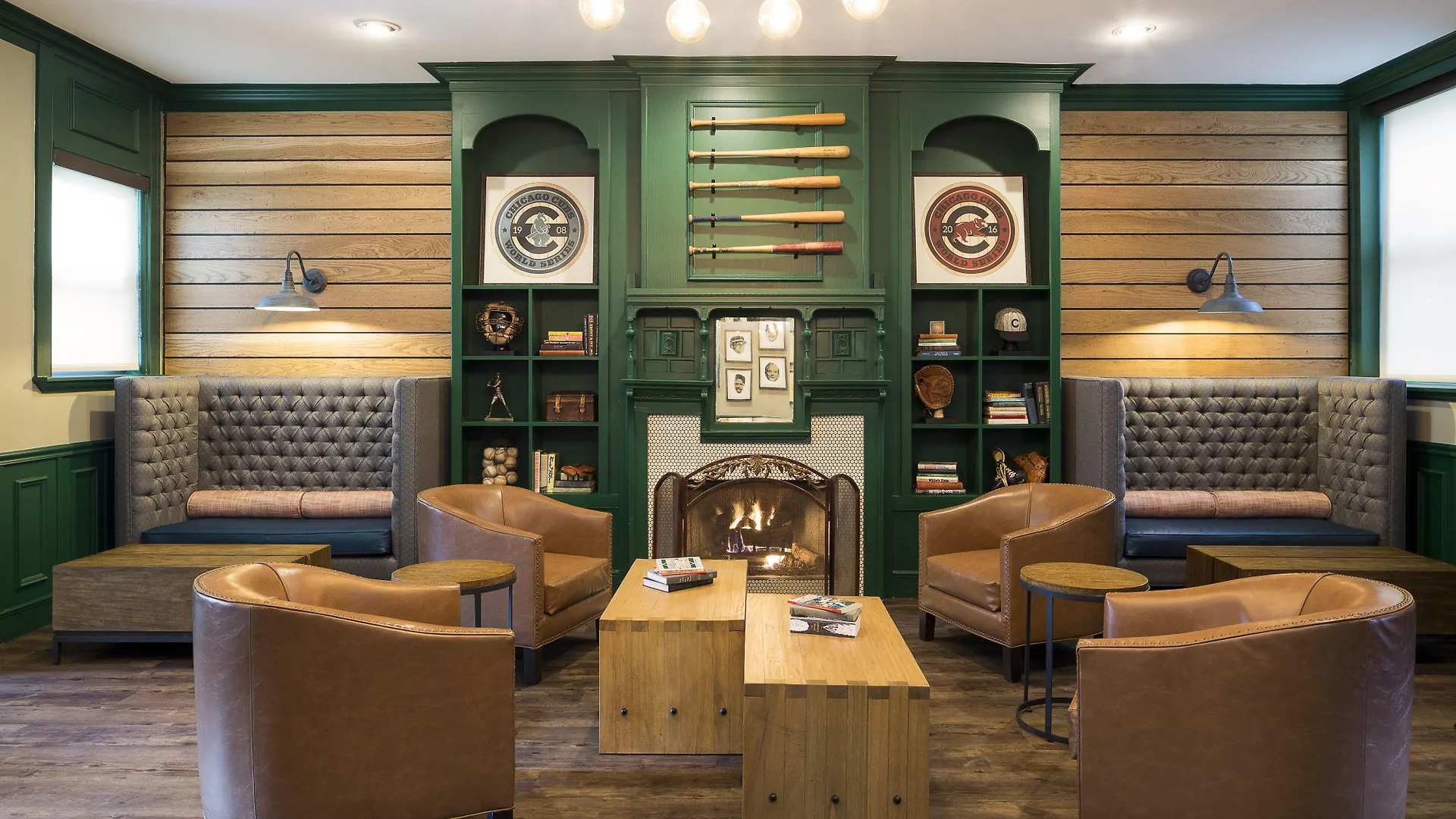
The Chicago History Museum - housed in the landmark red-brick building at the edge of Lincoln Park - sits at one of the city's most walkable and architecturally rich intersections. Staying close means immediate access to one of Chicago's most culturally layered neighborhoods, where design-conscious hotels blend naturally into the surrounding 19th-century brownstones, leafy boulevards, and independent dining scene. This guide covers eight design-forward hotels across Chicago's key neighborhoods, from Lincoln Park itself to River North, the West Loop, and Bronzeville - so you can choose based on proximity, atmosphere, and what your stay actually requires.
What It's Like Staying Near the Chicago History Museum
The area surrounding the Chicago History Museum occupies the southern tip of Lincoln Park, where Clark Street meets North Avenue. This is a residential-commercial hybrid zone - quiet at night, active during museum hours and weekend farmer's market days, with no overwhelming tourist crush. Walking from most Lincoln Park hotels to the museum takes under 15 minutes, and the nearby Sedgwick and North/Clybourn Red Line stations put the Loop within a 20-minute transit ride. The crowd here skews local rather than tourist-heavy, which means restaurants and bars around Halsted Street and Armitage Avenue stay grounded in neighborhood pricing rather than inflated visitor rates.
Staying in this corridor makes most sense for travelers who want cultural access without the density of River North or Michigan Avenue. Those chasing rooftop bar nightlife or the buzz of the Magnificent Mile will find the area more subdued than they might expect - which, for many, is exactly the point. Design hotels in adjacent neighborhoods like River North or West Loop offer stronger architectural character with comparable transit access to the museum via the Red or Green Line.
Pros:
- Direct walking access to Lincoln Park Zoo, North Avenue Beach, and the museum itself from Clark Street hotels
- Noticeably lower street noise and foot traffic compared to the Loop or River North corridors
- Strong independent dining and café density along Armitage, Halsted, and Wells Street
Cons:
- Fewer large-format design hotels directly in Lincoln Park - most options require a short transit hop from adjacent neighborhoods
- Limited late-night transport options if staying north of North Avenue after midnight
- Parking costs and availability are tighter than West Loop or South Loop hotels with dedicated garages
Why Choose Exceptional Design Hotels Near Chicago Historical Society
Design hotels in Chicago's proximity to the History Museum don't follow a single aesthetic - they range from Art Deco residential-style properties in Boystown to industrial-chic spaces in the West Loop's Fulton Market corridor and hostel-meets-boutique concepts in River North. What they share is intentionality: the architecture, artwork, and spatial layout are part of the stay, not an afterthought. Design-forward hotels near this area typically run from around $130 to $230 per night, placing them in a mid-range bracket that often undercuts comparably styled properties on the Magnificent Mile by a meaningful margin. Room sizes in converted or boutique properties tend to be compact, particularly in the Lincoln Park and Boystown zones, where buildings predate modern hotel construction standards.
The trade-off is that larger-room options with design credentials - like extended-stay formats in the West Loop - require a transit leg to reach the museum, typically around 25 minutes by CTA. For travelers whose itinerary extends beyond the museum to Navy Pier, Millennium Park, or the United Center, a West Loop or River North base often covers more ground without extra commute cost. Art Deco character, curated common spaces, and neighborhood-embedded dining are the consistent differentiators these properties offer over standard chain hotels in the same price bracket.
Pros:
- Distinctive interiors and curated common spaces that add value beyond the room itself
- Closer integration with neighborhood dining and cultural scenes compared to chain hotels
- More flexible room configurations (suites, shared spaces, kitchenette units) than standard hotels at similar price points
Cons:
- Compact room footprints in heritage buildings - not suitable for travelers needing space for extended work setups
- Design-led properties in Lincoln Park and Boystown often lack on-site pools or full fitness centers
- Parking at boutique properties is frequently off-site or charged separately at daily rates
Practical Booking & Area Strategy for Chicago History Museum Stays
For the closest walkable access to the Chicago History Museum, Clark Street between Armitage Avenue and North Avenue is the anchor corridor - hotels or short-term properties within two blocks of this stretch put you within a 10-minute walk of the museum entrance on Clark Street at North Avenue. The Lincoln Park and Boystown sub-neighborhoods sit just north along Clark, connected to the museum by a flat, pedestrian-friendly route. For travelers prioritizing design hotel options with more amenities, River North along Ohio Street and West Loop near Fulton Market are the strongest alternative bases, both within a 25-minute CTA Red or Green Line ride to the museum area. The Red Line's Sedgwick stop is the closest L station to the museum, sitting about 8 minutes on foot from the building's main entrance.
The Chicago History Museum area sees its sharpest crowd peaks during summer weekends (June through August) when Lincoln Park Zoo draws significant foot traffic on the same block cluster, and during the Chicago History Museum's own major exhibition openings. Booking at least 6 weeks in advance for summer stays in design-forward properties is advisable, as smaller-inventory boutique hotels fill faster than chain properties. The surrounding area - North Avenue Beach, the Lincoln Park Conservatory, and the adjacent Peggy Notebaert Nature Museum - is walkable from Lincoln Park hotels without any transit needed, making a 2-night stay sufficient to cover the cultural density of this northern corridor. River North adds access to the John Hancock Observatory and Millennium Park within a 20-minute walk south.
Best Value Design Stays
These properties deliver design character and strong location value, sitting in neighborhoods with direct CTA access to the Chicago History Museum at rates that stay well below the premium tier.
-
1. Majestic Hotel
Show on map


 Check-infrom 15:00 until 23:59Check-outuntil 11:00
Just a few rooms left at the best rate!
fromUS$ 145
-
2. City Suites Hotel
Show on map


 Check-infrom 15:00 until 23:59Check-outuntil 11:00
Just a few rooms left at the best rate!
fromUS$ 65
-
3. Hotel Versey Chicago Lincoln Park
Show on map


 Check-infrom 15:00 until 23:59Check-outuntil 12:00
Just a few rooms left at the best rate!
fromUS$ 77
-
4. Freehand Chicago
Show on map


 Check-infrom 15:00 until 23:59Check-outuntil 12:00
Hurry – almost gone at this price!
fromUS$ 25
-
5. Holiday Inn & Suites Chicago-Downtown By Ihg
Show on map


 Check-infrom 15:00 until 23:59Check-outuntil 12:00
Hurry – almost gone at this price!
fromUS$ 115
Best Premium Design Stays
These properties lead on amenities, room scale, or landmark positioning, and carry a higher nightly rate that reflects their infrastructure and on-site offerings.
-
6. Hyatt House Chicago West Loop-Fulton Market
Show on map


 Check-infrom 15:00 until 23:59Check-outuntil 11:00
Hurry – almost gone at this price!
fromUS$ 215
-
7. Crowne Plaza - Chicago West Loop By Ihg
Show on map


 Check-infrom 15:00 until 23:59Check-outuntil 12:00
Rooms filling fast – secure the best rate!
fromUS$ 99
-
8. Hyatt Regency Mccormick Place Chicago
Show on map


 Check-infrom 15:00 until 23:59Check-outuntil 12:00
Rooms filling fast – secure the best rate!
fromUS$ 252
Smart Timing and Booking Strategy for This Area
The Chicago History Museum's surrounding Lincoln Park neighborhood follows a predictable seasonal rhythm: summers from June through August are the highest-demand period, driven by Lincoln Park Zoo's outdoor programming, North Avenue Beach, and the museum's own peak visitorship. During this window, design hotels in Lincoln Park, Boystown, and River North see nightly rates climb by around 35% compared to the shoulder season. September and October offer the strongest value window - temperatures remain comfortable for walking the Clark Street corridor, crowds thin noticeably after Labor Day, and hotel availability opens up across all categories. For West Loop and Fulton Market properties, the restaurant industry's event calendar adds a secondary demand spike in late spring, when food and design festivals draw a separate visitor segment.
For summer stays, booking 8 weeks in advance is the practical minimum for boutique and design properties with limited room counts - City Suites, Majestic Hotel, and Hotel Versey operate with smaller inventories than the full-service properties, and availability gaps appear faster than their size suggests. Winter stays (December through February) deliver the lowest rates and the fewest competing visitors at the museum, but Lake Michigan wind exposure along North Avenue makes the outdoor walking experience significantly harsher. Two nights is the right baseline for covering the History Museum alongside Lincoln Park Zoo, the Peggy Notebaert Nature Museum, and the Clark Street dining corridor without feeling rushed - three nights if the itinerary extends south to Millennium Park or the Museum Campus.