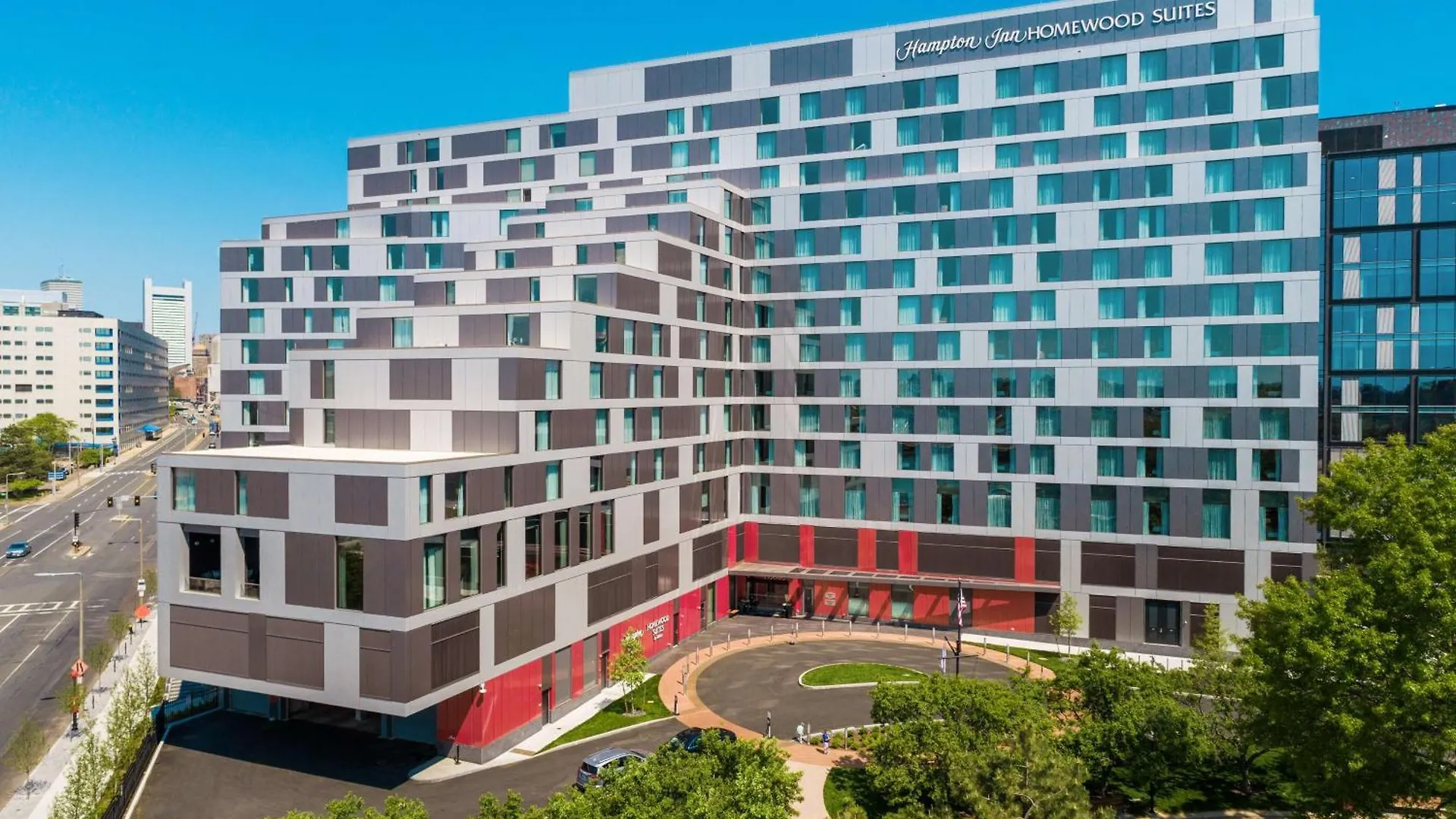
Boston's Seaport District has become the city's primary business corridor, anchored by the Boston Convention and Exhibition Center and a dense cluster of corporate offices along Northern Avenue and Seaport Boulevard. Hotels here are purpose-built or repositioned for work travelers, with BCEC within walking distance of most properties and Logan Airport reachable in around 15 minutes by taxi or rideshare. Whether you're attending a multi-day conference or managing back-to-back client meetings, the accommodation options in this district are more strategically positioned than anything Downtown or Back Bay can offer for convention-goers.
What It's Like Staying in Boston's Seaport District
The Seaport District operates on a weekday rhythm driven by convention schedules and corporate foot traffic, with Northern Avenue and Seaport Boulevard forming the main arteries. Most hotels sit within a 10-minute walk of the BCEC, making early morning sessions or last-minute returns to your room genuinely practical. Weekends feel noticeably quieter, and restaurant lines thin out considerably once the conference crowd disperses Friday afternoon.
Pros:
- Direct walkability to BCEC means no rideshare dependency during peak conference days when surge pricing spikes
- Silver Line SL1 connects the district to Logan Airport with no transfers, one of the most useful transit links for frequent flyers in Boston
- The waterfront setting along Fan Pier keeps the area open and less congested than Downtown Boston hotel zones
Cons:
- Restaurant and bar prices run around 20% higher than comparable spots in Downtown Crossing or the Financial District
- Limited late-night dining options after 22:00 compared to Back Bay or Chinatown
- Parking costs are steep, with most hotel garages charging daily rates that add up fast on longer stays
Why Choose a Business Hotel in Boston's Seaport District
Business hotels in the Seaport District are built around convention-scale logistics - think dedicated business centers, ATMs on-site, bilingual staff, and room setups calibrated for late-night work rather than leisure relaxation. Room sizes here are generally more generous than Financial District equivalents, with several properties offering suite-style or extended-stay configurations suited to multi-night business trips. The trade-off is that leisure amenities like rooftop bars or walkable nightlife are thinner compared to hotels positioned in Midtown or the Theater District.
Pros:
- Business centers, 24-hour front desks, and ATMs available across most properties in this category
- Extended-stay formats with kitchen facilities available at select hotels, reducing meal costs on longer trips
- Properties cluster tightly around the BCEC, removing the commute variable entirely on conference days
Cons:
- Weekend rates don't drop as significantly as hotels in leisure-focused districts, making Saturday-night stays less cost-efficient
- The corporate aesthetic means fewer design-forward or boutique experiences compared to hotels in the South End or Beacon Hill
- Around 15% of Seaport business hotels charge resort-style fees that aren't always visible at initial booking
Practical Booking and Area Strategy for the Seaport District
For BCEC events, prioritize hotels on Seaport Boulevard or D Street - these put you within a 5-minute walk of the convention entrance without crossing any major intersections. Properties on Northern Avenue or closer to Fan Pier Boulevard offer waterfront access but add around 10 minutes of walking time to the convention center. The Silver Line SL1 on Seaport Boulevard is the fastest connection to Logan Airport and also links to South Station, where Amtrak and commuter rail converge - making it the most strategically useful transit line for business travelers flying in or out mid-trip.
The Seaport District has expanded its cultural and dining scene substantially - the Institute of Contemporary Art sits on the waterfront at 25 Harbor Shore Drive and is walkable from most hotels, offering a practical evening option after conference hours. Legal Harborside and Row 34 on Fan Pier Boulevard are the go-to dinner choices for client entertaining. Book at least 6 weeks ahead for any stay overlapping with major BCEC events, as properties here fill quickly and last-minute rates can double standard pricing.
Best Value Business Stays
These properties deliver core business functionality - strong connectivity, reliable breakfast, and BCEC proximity - at more accessible price points than the premium tier.
-
1. Hampton By Hilton At The Boston Seaport District
Show on map


 Check-infrom 15:00 until 23:59Check-outuntil 11:00
Just a few rooms left at the best rate!
fromUS$ 168
-
2. Hyatt Place Boston/Seaport District
Show on map


 Check-infrom 15:00 until 23:59Check-outuntil 12:00
Just a few rooms left at the best rate!
fromUS$ 169
-
3. Homewood Suites By Hilton Boston Seaport District
Show on map


 Check-infrom 15:00 until 23:59Check-outuntil 11:00
Hurry – almost gone at this price!
fromUS$ 175
Best Premium Business Stays
These properties go beyond baseline business functionality, adding full-service dining, premium wellness facilities, and elevated room environments suited to client-facing stays or extended executive trips.
-
4. The Westin Boston Seaport District
Show on map


 Check-infrom 16:00 until 23:59Check-outuntil 12:00
Hurry – almost gone at this price!
fromUS$ 151
-
5. Yotel Boston
Show on map


 Check-infrom 15:00 until 23:59Check-outuntil 11:00
Rooms filling fast – secure the best rate!
fromUS$ 122
-
6. Renaissance Boston Seaport District
Show on map


 Check-infrom 16:00 until 23:59Check-outuntil 12:00
Rooms filling fast – secure the best rate!
fromUS$ 322
Smart Travel and Timing Advice for the Seaport District
The Seaport District peaks in occupancy between September and November, when BCEC hosts its densest conference calendar and corporate travel budgets are fully active. Book at least 6 weeks before any event week - rates can increase by around 80% between a standard midweek stay and a BCEC peak event overlap. January through March represents the lowest-demand window, with rates dropping noticeably and availability opening up even at premium properties like the Renaissance and Westin.
Most business trips here run 2 to 3 nights aligned with conference schedules, and that duration maps well to the district's dining and logistics setup. Extended stays beyond 4 nights benefit from suite-format hotels like Homewood Suites, where kitchen access reduces the compounding cost of restaurant meals in a district with above-average food pricing. Last-minute booking in the Seaport rarely yields savings - unlike leisure-focused zones, hotels here hold rates firm when convention demand is active, making early reservation the only reliable cost-control strategy.