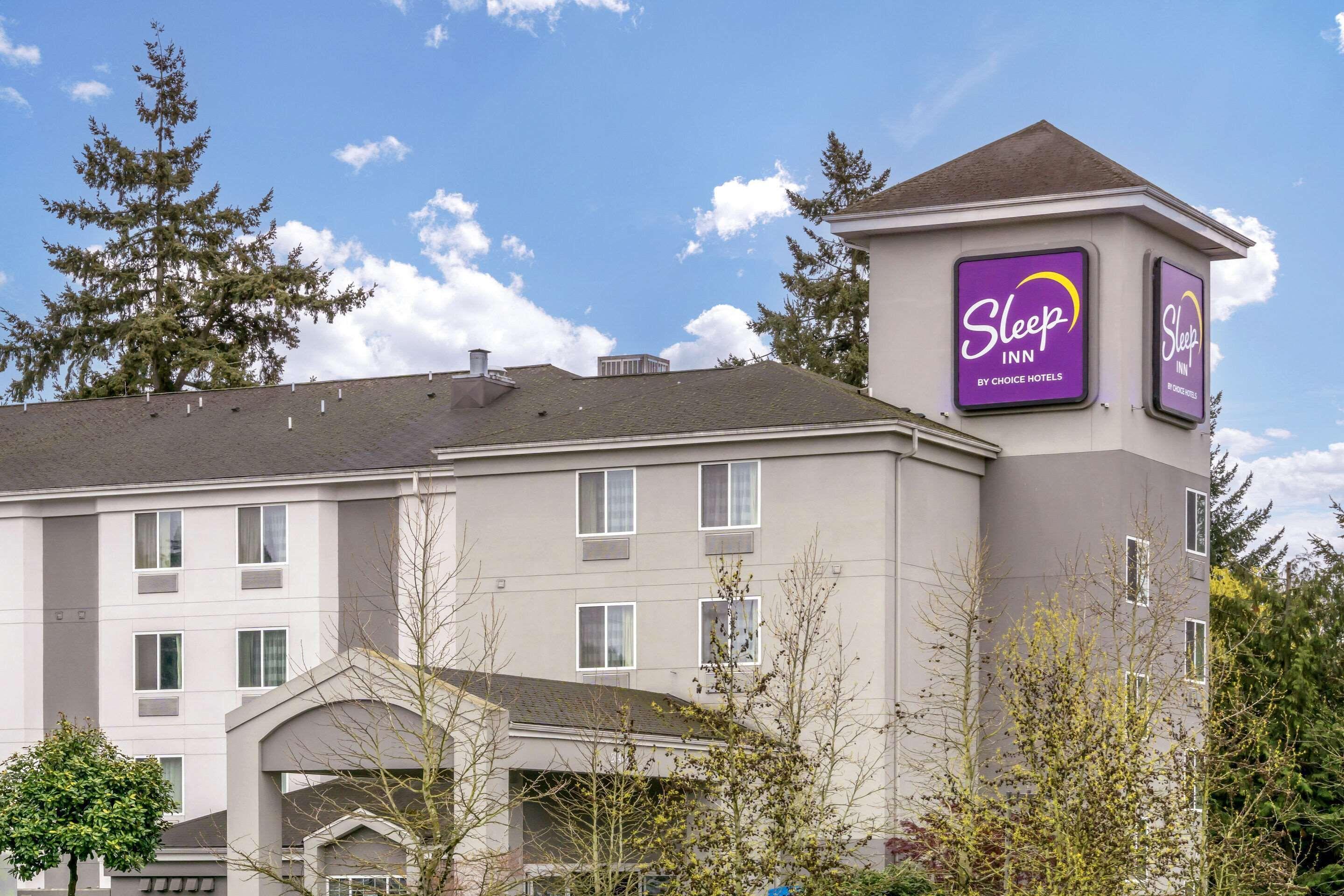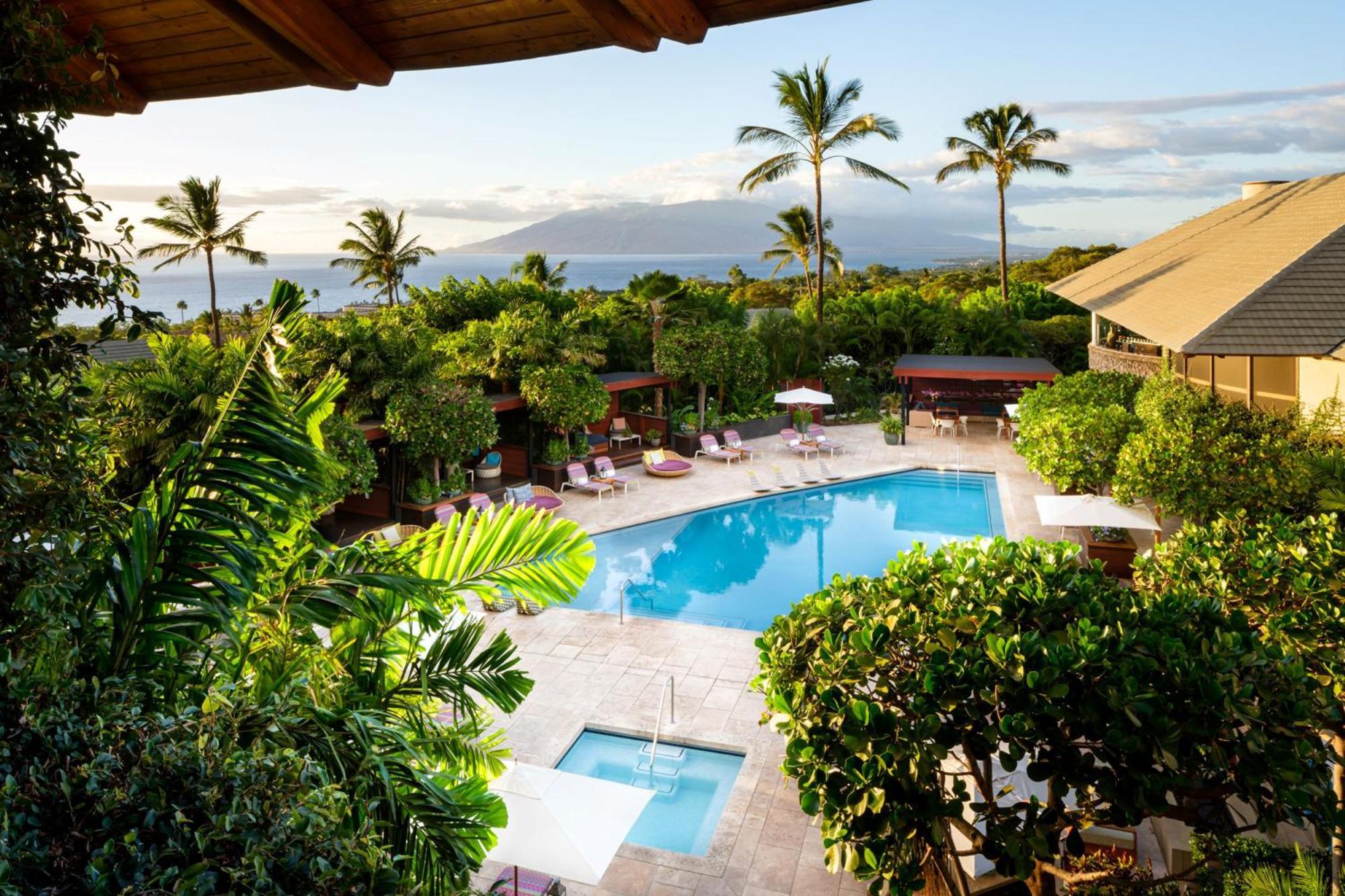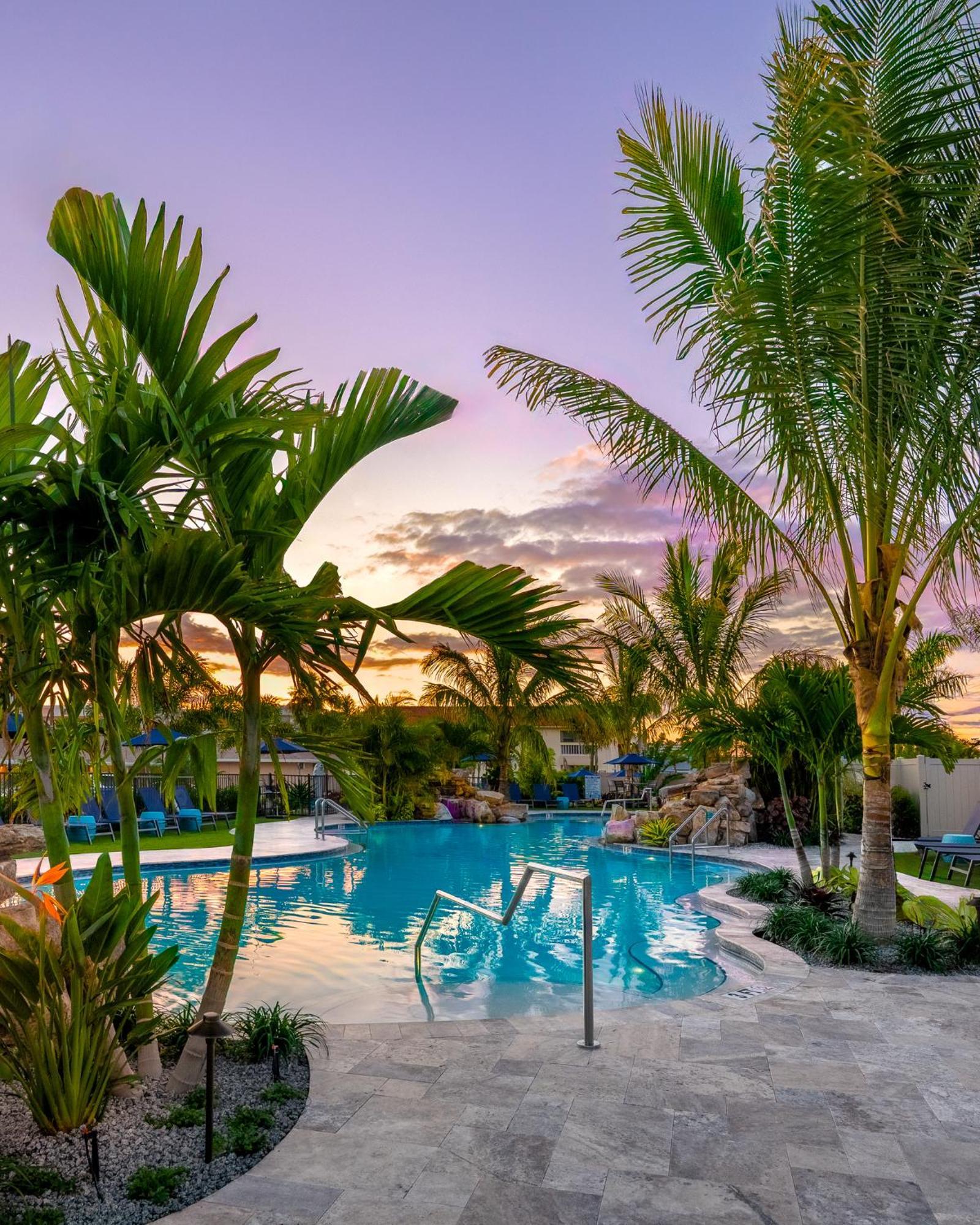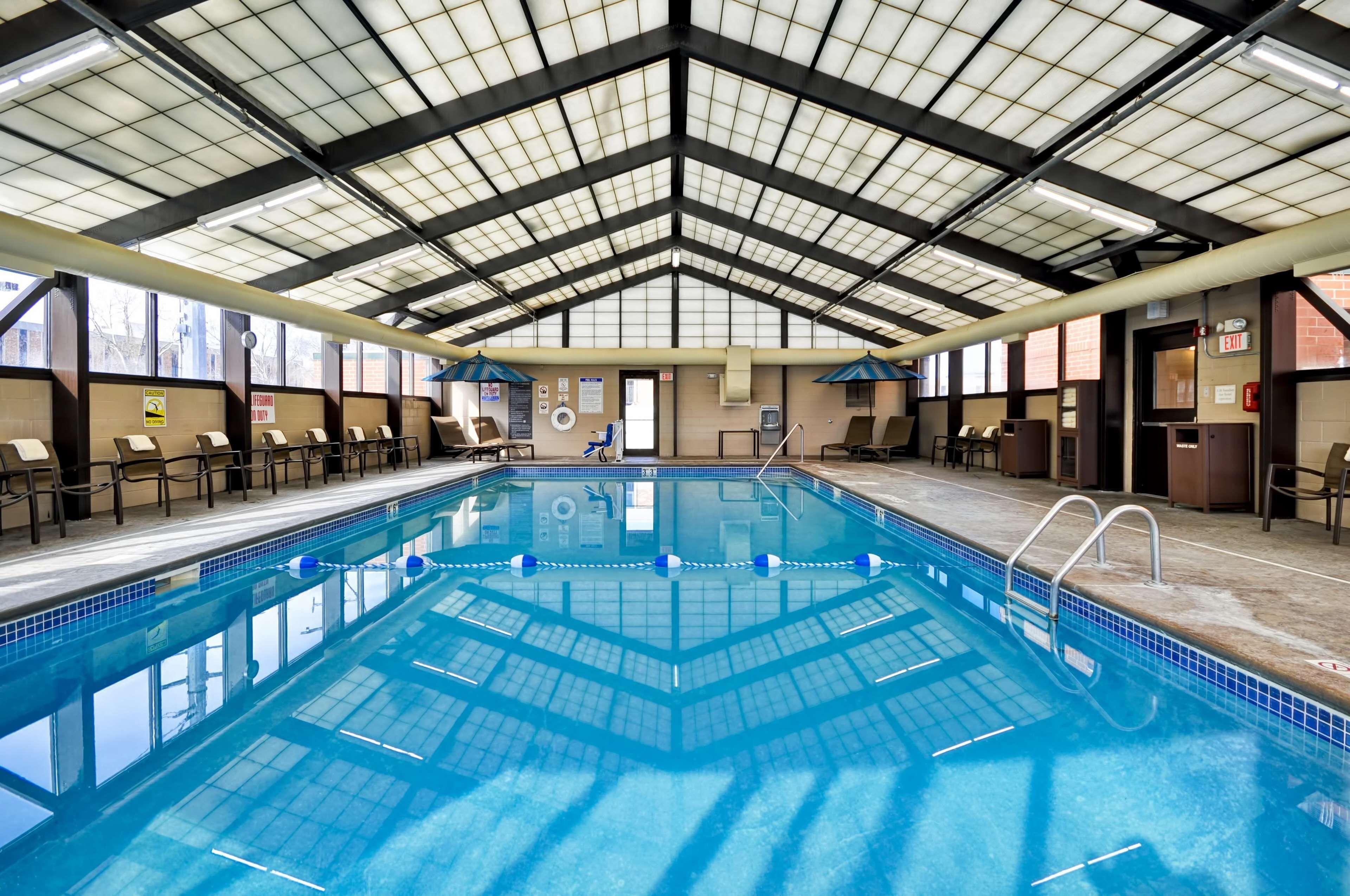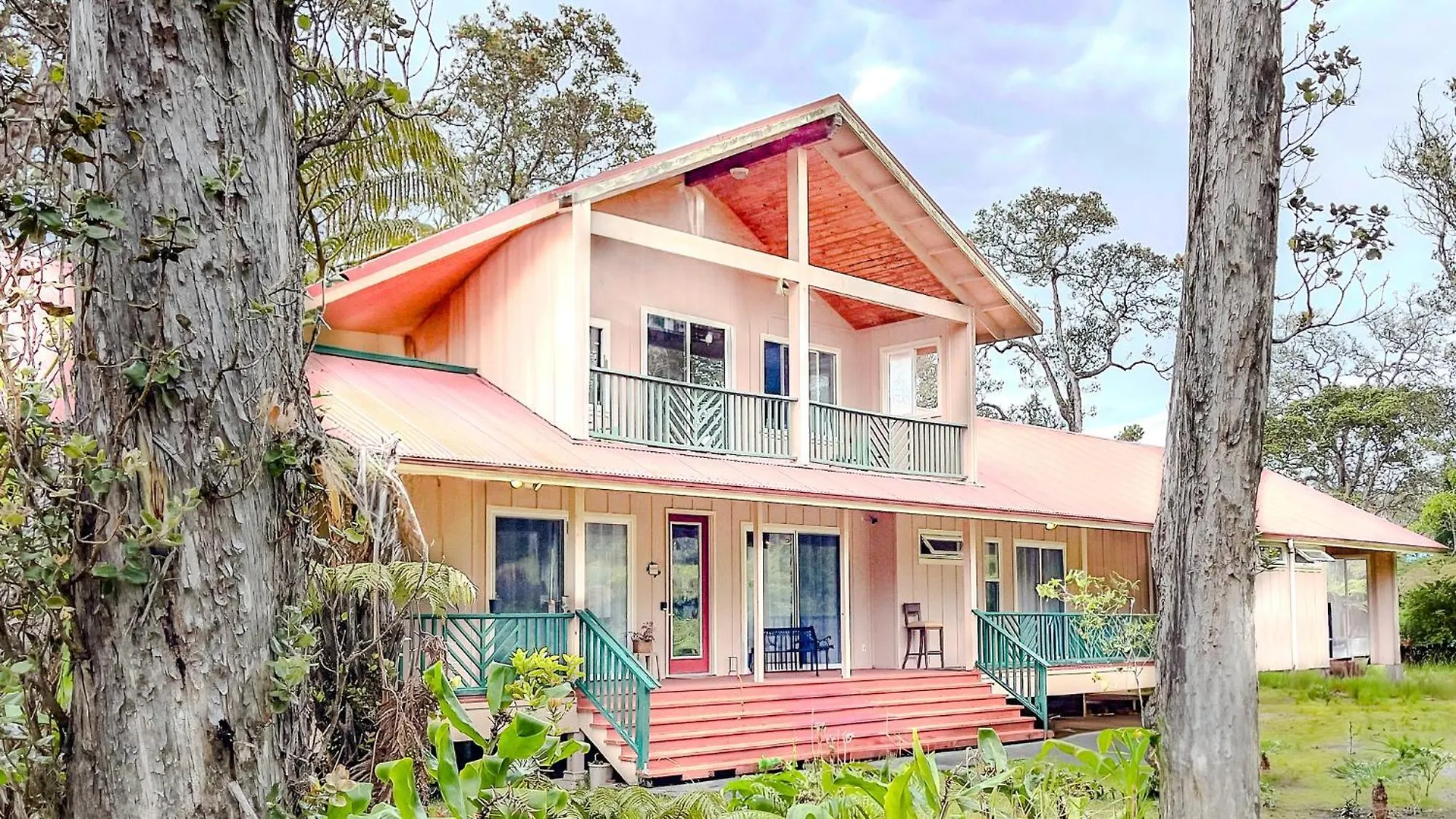
Hawaii's resort scene spans five distinct islands, each delivering a radically different experience - from lava-rimmed coastlines on the Big Island to jungle-backed beaches on Kauai. These five resort hotels cover the key bases: beachfront access, rainforest seclusion, airport convenience, and luxury coastal positioning, giving travelers real options depending on which island and experience they're prioritizing.
What It's Like Staying in Hawaii
Hawaii is not a single destination - it's an archipelago where each island operates on its own rhythm. Inter-island flights are the primary way to move between islands, and most visitors base themselves on one island for their entire trip. Crowds concentrate heavily on Oahu, while Maui, Kauai, and the Big Island offer more space and slower pacing. Staying in a resort makes particular sense here because public transport is limited and resort properties typically bundle beach access, dining, and activities in one place.
Families, honeymooners, and travelers seeking nature immersion all find strong reasons to stay in Hawaii, but those on tight budgets may find the cost of accommodation, food, and inter-island transport adds up quickly. Peak season occupancy across Hawaii's resorts can exceed 90%, making early planning essential for popular properties.
Pros:
- Unmatched natural variety - volcanoes, reefs, rainforests, and white-sand beaches within one state
- Resort properties typically include direct beach access, pools, and curated activities, reducing need for external planning
- Year-round warm weather with temperatures rarely dropping below 20°C, even in winter months
Cons:
- Remote location means high airfare costs, especially from the US mainland or international origins
- Rental cars are practically essential on most islands outside of Honolulu, adding to daily costs
- Popular coastal resorts can feel crowded between December and March when mainland visitors peak
Why Choose a Resort Hotel in Hawaii
Resort hotels in Hawaii are structurally different from standard hotels - they're designed as self-contained destinations with private beach access, multiple pools, on-site dining, and curated activity programs. On the Kohala Coast and Kauai's eastern shore, resorts sit directly on the water, eliminating the need for beach transfers that mainland-style hotels require. Room sizes in Hawaiian resorts tend to be generous, with many properties offering villa or condo-style units with full kitchens and private lanais, which significantly reduces food spend for longer stays.
The trade-off is pricing: resort fees are common in Hawaii and can add around $40 per night to the base rate even after booking. Mid-range resort options do exist outside Maui's west coast and Oahu's Waikiki strip, particularly on the Big Island's volcano region and Kauai's coconut coast, where prices are more competitive without sacrificing scenery. Villa-style resort accommodations with full kitchens can reduce total trip costs by 25% for families who cook some meals on-site.
Pros:
- Direct beach or ocean access eliminates transport costs and time lost traveling to swimming spots
- On-site activity programming - snorkeling, hula lessons, cycling, whale watching - creates a structured itinerary without extra booking effort
- Villa and condo-style units with full kitchens and laundry offer genuine cost savings for stays of 5 nights or more
Cons:
- Mandatory resort fees are widespread and often not included in the displayed nightly rate
- Properties in premium coastal zones like Kohala Coast or Maui's west side carry significantly higher rates than comparable rooms inland
- Large resort campuses can feel impersonal, with distances between rooms and amenities requiring internal transport
Practical Booking & Area Strategy
The Big Island's Kohala Coast is Hawaii's most concentrated resort corridor, with properties sitting directly on calm leeward shorelines sheltered from trade winds - this is the most consistent location for beach weather year-round. Kauai's east coast, known as the Coconut Coast around Kapaa, offers resort-style accommodation at noticeably lower prices than Poipu or the North Shore, with Lydgate Park's protected snorkel pools just minutes away. On Maui, the Kahului area near the airport is practical for one-night layovers or early departures, though beach access requires a short drive to the west side. The Big Island's volcano region near Hawaii Volcanoes National Park offers a completely different kind of stay - forested, cool, and quiet - suited to travelers who prioritize hiking and geological sightseeing over beach time.
For popular Kohala Coast and Kauai beachfront resorts, booking at least 8 weeks in advance is advisable during December through March. Travelers who arrive in April through early June often find lower rates with thinner crowds across all islands, making it the most efficient window for resort stays.
Best Value Resort Stays
These properties deliver strong resort functionality - pools, beach proximity, and self-contained amenities - at price points more accessible than the premium Kohala Coast tier, making them well-suited to families and travelers prioritizing value on Kauai's Coconut Coast, Maui, and the Big Island's volcano zone.
-
1. Volcano Forest Inn
Show on map


 Check-infrom 15:00 until 21:00Check-outuntil 11:00
Just a few rooms left at the best rate!
fromUS$ 135
-
2. Courtyard By Marriott Maui Kahului Airport
Show on map


 Check-infrom 15:00 until 23:59Check-outuntil 12:00
Just a few rooms left at the best rate!
fromUS$ 247
-
3. Kauai Coast Resort At The Beach Boy
Show on map


 Check-infrom 16:00 until 23:59Check-outuntil 10:00
Hurry – almost gone at this price!
fromUS$ 256
-
4. Paniolo Greens Resort
Show on map


 Check-infrom 16:00 until 22:00Check-outfrom 07:00 until 10:00
Hurry – almost gone at this price!
fromUS$ 126
Best Premium Resort Stay
For travelers seeking a full-service luxury resort experience with beachfront positioning, private beach access, and concierge-level services on the Big Island's Kohala Coast, this property represents the top tier among these five options.
-
5. Fairmont Orchid Gold Experience
Show on map


 Check-infrom 16:00 until 23:59Check-outuntil 11:00
Rooms filling fast – secure the best rate!
fromUS$ 867
Smart Travel & Timing Advice for Hawaii Resorts
Hawaii's peak resort season runs from mid-December through March, driven by mainland US winter escapes and holiday travel - this is when Kohala Coast and Kauai beachfront properties see their highest occupancy and rates. April through early June is the most cost-efficient window for resort stays: winter crowds thin out, trade winds are consistent, and whale watching on Maui remains active through April. Summer (June-August) brings family travel peaks, particularly at resorts with children's pools and activity programs, so Paniolo Greens and Kauai Coast Resort tend to book up quickly for those months.
For Big Island volcano-zone properties like Volcano Forest Inn, there is no true off-season - the park draws visitors year-round and the cooler forest elevation is actually more comfortable in summer than coastal areas. A minimum of 4 nights per island is recommended to absorb inter-island travel time and explore beyond the resort grounds. Last-minute deals are rare for beachfront Kohala Coast and Kauai properties; booking at least 8 weeks ahead for peak periods is the most reliable strategy to secure preferred room types at listed rates.